Anime music occupies a strange space in the broader music conversation. The most celebrated anime soundtracks — Joe Hisaishi's Studio Ghibli work, Yoko Kanno's Cowboy Bebop and Ghost in the Shell compositions, Masashi Hamauzu's work on various properties — are recognised by mainstream critics as genuine artistic achievements. But the majority of anime music is treated as supplementary product: catchy OPs, emotional insert songs, and orchestral underscore that serves the image without demanding independent attention.
2024 was a year that pushed against that undervaluation. Several major soundtracks demonstrated what anime music looks like when composers are given creative freedom and production resources to match their ambitions.
Here are the ten best anime soundtracks of 2024.
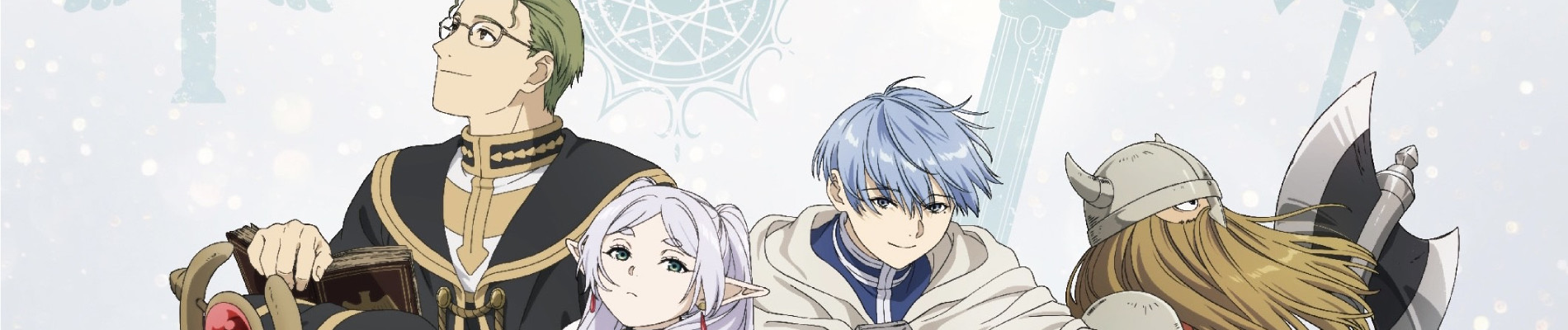
1. Frieren: Beyond Journey's End — Yuki Kajiura & Evan Call
The collaboration between two of anime's most distinctive composers produced something genuinely unexpected. Kajiura, known for her signature fantasy-choir aesthetic (Madoka Magica, Sword Art Online), operates in a significantly more restrained mode here — as if the show's contemplative pace has imposed itself on the music. The result is her most mature and, arguably, most affecting work.
Call's contributions, which handle much of the action and adventure material, provide a tonal counterpoint that prevents the soundtrack from becoming monotonous. The two composers' sensibilities align more naturally than expected.
The track "Abschied" — playing during the episode that opens with Himmel's death — is the single greatest individual piece of anime music released in 2024. It operates as a lullaby for grief.
2. Dungeon Meshi — Yoshiaki Dewa
An enormous surprise. Trigger productions often have energetic, crowd-pleasing scores — the kind that work in the moment but don't survive repeated listening outside the show. Yoshiaki Dewa's Dungeon Meshi soundtrack is the exception.
The food-preparation sequences are scored with a warmth and rhythmic playfulness that perfectly reflects the show's relationship to cooking as craft. The dungeon-exploration material maintains atmosphere without the bombast that less confident composers would default to. And several tracks — particularly those accompanying character-development moments late in the second cour — reveal an emotional sophistication that the show's surface tone doesn't fully prepare you for.
3. Solo Leveling — Hiroyuki Sawano
Sawano at full power. The composer known for Attack on Titan, Re:Zero, and a dozen other franchise flagship scores brings his signature layered orchestral-electronic hybrid style to Sung Jinwoo's ascent, and the fit is perfect.
The hunt sequences — where Jinwoo operates alone inside gates, systematically clearing dungeons — receive a score that communicates isolation, concentration, and growing power simultaneously. "Arise" (the track that typically accompanies shadow summoning sequences) is designed for live orchestral performance, and it shows.
4. Kaijuu No. 8 — Yusuke Shirato
The freshest compositional voice on this list. Shirato's work on Kaijuu No. 8 demonstrated a remarkable ability to shift tonal registers — from the mundane, slightly melancholy atmosphere of Kafka Hibino's cleanup work to the full-throttle kaijuu combat sequences — without the seams showing.
The fight music in particular, which needs to communicate both the threat of the kaijuu and the specifically strange experience of Kafka's transformation, finds a sonic language for biological horror-action that hasn't been attempted quite this way before.
5. Sola Leveling: Arise From the Shadow — Ryo Fukuda
The spinoff adaptation managed to distinguish its sonic identity from the main series while maintaining continuity — a harder task than it sounds. Fukuda's score for the supporting character stories emphasised intimacy over spectacle in ways that served the narratives being told.
6. Delicious in Dungeon (Dungeon Meshi) — Opening and Ending
Considered separately from the score: the year's best opening animation-music combination. "Sleep Through the Dungeon" immediately establishes the show's tonal contract with remarkable efficiency — adventurous, warm, slightly strange, and immediately earwormy.
7. Blue Lock Season 2 — kenji kawai
The veteran composer of Ghost in the Shell and Fate/Stay Night brings a maturity to football anime that distinguishes it from its sonic peers. The ego-clash sequences are scored with jazz-influenced harmonic language that feels genuinely unusual for the genre.
8. Re:Zero Season 4 — Kenichiro Suehiro
Suehiro has become the definitive Re:Zero composer, and Season 4 represents his most controlled work on the franchise. The death-loop sequences accumulate sonic weight as the season progresses in ways that careful listeners will notice — identical melodic material gradually becoming darker and more harmonically unstable.
9. The Apothecary Diaries — Yoshimi Tokui
The historical drama's score is the least showy on this list and perhaps the most quietly accomplished. Tokui found authentic-feeling period musical languages without falling into pastiche, and the show's best character moments are elevated significantly by her restraint.
10. Oshi no Ko Season 2 — Monaca
The second season's soundtrack expanded on the first's industry-critique themes with more ambitious compositional choices. The idol performance sequences achieve something rare: they actually function as pop music you might seek out on a playlist rather than simply serving the image.
Honourable Mentions
The Mushishi-esque intimacy of Bartender: Glass of God's score; the surprising emotional range of Wind Breaker's battle music; the way Metallic Rouge's score imported jazz idiom into mecha anime for the first time since Cowboy Bebop.
2024's anime music landscape rewarded careful listening. In 2025, several of the same composers are attached to major productions — the standard has been set high.