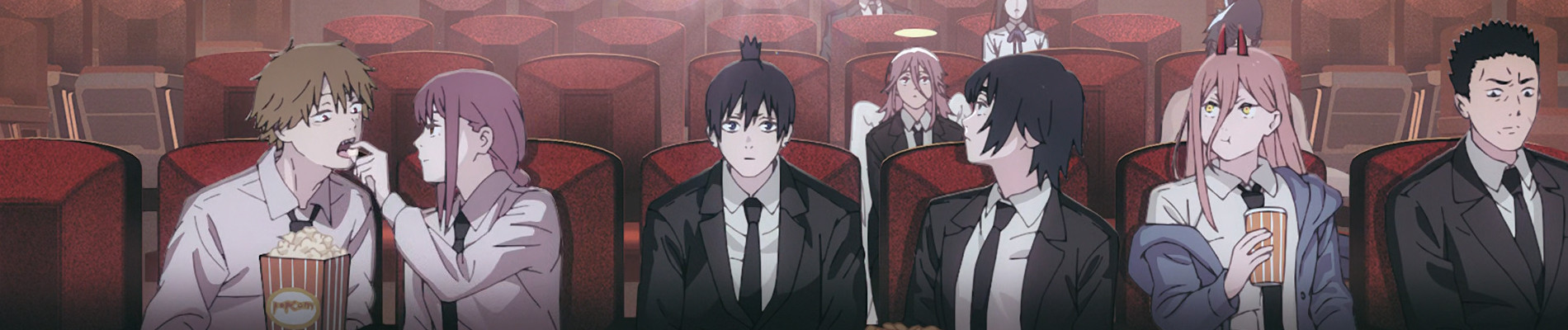
Tatsuki Fujimoto operates by his own rules. Two years into Chainsaw Man Part 2, it's clearer than ever that those rules have nothing to do with what anyone else in manga is doing.
What Part 2 Is Actually About
Part 1 followed Denji — a boy who became part chainsaw devil — through the Public Safety Devil Hunter organization. It had a beginning, middle, and an ending that felt genuinely final.
Part 2 picks up some time later with a new central character, Asa Mitaka, who shares a body with a War Devil. Denji is present, but peripheral — at least at first.
This was a controversial choice. Fans who loved Denji weren't happy. Two years on, the decision looks inspired.
Asa Is a Different Kind of Protagonist
Asa isn't cool. She isn't funny. She's deeply, uncomfortably human — anxious, socially inept, prone to spiraling thoughts that mirror the kind of inner monologue most manga protagonists are too polished to have.
Fujimoto writes her with the same unflinching honesty he brought to Denji, but applied to a completely different kind of suffering. Where Denji's trauma came from poverty and violence, Asa's comes from ordinary adolescent loneliness amplified to surreal extremes.
The Art Has Evolved
Fujimoto's linework was always raw. Part 2 takes that rawness and weaponizes it. Panels that look rough at first glance reveal precise emotional staging on second read.
His composition has become more theatrical — large empty spaces, characters positioned to maximize isolation. The fight scenes are still chaotic by design, but the quieter character moments have a visual sophistication that rivals manga artists twice his experience.
The Experimental Structure
Part 2 commits fully to a structure that mainstream Shonen Jump readers aren't used to: arcs that seem disconnected until suddenly they aren't, subversions of fight scene conventions, and fourth-wall awareness that goes beyond simple comedy.
There are chapters in Part 2 that make no sense the first time you read them. On second read, they're among the most carefully constructed pages in the entire series.
The Yoru-Asa Dynamic
The central relationship of Part 2 is not a romance but a cohabitation: Asa Mitaka shares her body with Yoru, the War Devil, who needs a human host to operate in the world. Their arrangement is mutual and deeply uncomfortable — Yoru can take control of the body when she chooses, and Asa cannot stop her.
What Fujimoto does with this setup is more interesting than a simple power-struggle narrative. Yoru and Asa develop something that isn't friendship but isn't purely antagonism either. They understand each other, in the way that people who are forced to share space eventually come to understand each other — reluctantly, incompletely, but genuinely.
The scenes between them — often presented as internal dialogue, Asa watching Yoru act in the world through their shared eyes — are the emotional heart of Part 2 and consistently its best material.
Denji's Part 2 Arc
Without spoiling specifics: Denji's role in Part 2 is different from his role in Part 1, and deliberately so. He exists at the margins of Asa's story for a significant portion of the early chapters, appearing and disappearing in ways that feel strategic rather than coincidental.
When Denji and Asa's storylines converge more directly — and they do — the result is the most compelling character dynamic Fujimoto has written since the Makima arc. Two people shaped by completely different kinds of loss, circling each other uncertainly.
Fujimoto is doing something specific with both of them, and Part 2's patience in building to that confrontation is one of its greatest strengths.
Why Part 2 Divides Readers
Part 2's divisiveness comes down to expectations. Readers who came to Chainsaw Man for the propulsive, emotionally devastasting plot of Part 1 found Part 2's slower pace frustrating. Early chapters in particular felt disconnected, and several arcs that seemed like they were building to something ended without the catharsis some readers expected.
Two years in, those arcs look different in retrospect. The disconnection was deliberate. The themes that Part 2 is developing — about what people become when they survive things they shouldn't have survived — require the accumulation of these seemingly minor moments.
Chainsaw Man Part 2 is asking you to trust Fujimoto. Based on Part 1, that trust is well-placed.
Should You Read It?
If you've read Part 1: yes, immediately. The payoff you've been waiting for is coming, and the setup work being done in Part 2 will make it hit that much harder.
If you haven't read Part 1: start there. 97 chapters. Highest recommendation. Part 2 will mean nothing without the context Part 1 establishes, and Part 1 alone is one of the best manga of the last decade.
Manga Rating: 9.2/10
Read Chainsaw Man on the Shonen Jump app with same-day English translations.
Keep Reading: Chainsaw Man Part 2 Anime — Everything We Know · JJK Manga Ending Review — Did Gege Stick the Landing? · Best Anime of 2024: The Complete Year in Review