Mecha anime has a barrier problem. The genre's most famous titles — the Universal Century Gundam timeline, Neon Genesis Evangelion, Super Dimensional Fortress Macross — carry decades of history, spin-offs, and cultural context that can make them feel impenetrable to newcomers.
But mecha is also one of anime's most consistently innovative genres, and the best examples use giant robots as vehicles for examining human psychology, geopolitical systems, and the nature of war with a directness that other formats rarely manage.
Here is where to start.
1. Tengen Toppa Gurren Lagann
The undisputed gateway mecha — a series so brazenly, joyfully maximalist that it essentially argues against restraint as a creative philosophy. Gurren Lagann begins as a coming-of-age story about Simon, a shy boy living underground, and escalates continuously until it reaches a scale that defies rational description.
The themes of self-belief, chosen family, and the imperative to exceed one's limitations are expressed with such pure conviction that the show becomes genuinely moving despite — because of — its refusal to be subtle. The animation peaks in the final episodes are among the most spectacular in the genre's history.
Start here. Everyone starts here.
2. Neon Genesis Evangelion
The most important anime ever made, and the most important mecha anime specifically. Evangelion uses the genre framework to conduct a clinical examination of depression, anxiety, social withdrawal, and the terror of genuine intimacy — filtered through a teenage boy piloting a biomechanical giant to fight alien entities.
It is also confusing, deliberately oblique, and gets more strange as it progresses. The theatrical films Death & Rebirth and End of Evangelion extend and deepen the experience. The Rebuild of Evangelion tetralogy offers an alternative reading.
Watch it after Gurren Lagann, when you understand what the genre normally does. Evangelion's power comes partly from knowing what it is refusing.
3. Mobile Suit Gundam: Iron-Blooded Orphans
The most accessible entry point in the enormous Gundam franchise. Iron-Blooded Orphans follows a group of child soldiers on Mars who seize their own freedom by taking control of their military contractor's equipment, including an ancient mobile suit called the Barbatos.
Orphans is a brutal, emotionally serious war story that doesn't offer the comfort of a heroic military establishment to root for. The protagonists are working-class kids in an exploitative system fighting to survive. The mecha combat is visceral and has genuine consequences. And the ending is among the most devastating in modern anime.
4. Code Geass: Lelouch of the Rebellion
Technically a mecha-political thriller hybrid, Code Geass follows Lelouch, the exiled prince of Britannia, who acquires a supernatural power called Geass that allows him to command anyone to obey any order once. He uses it to build a revolutionary army against the empire that destroyed his family.
Code Geass is compulsively watchable television — the plotting is dense and clever, the character dynamics are constantly surprising, and the balance between mecha action and political intrigue is handled better here than in almost any other title in the genre.
5. Darling in the FranXX
Divisive among veteran fans but highly accessible for newcomers, Darling in the FranXX follows a group of children raised to pilot mechs called FranXX in a dying world. The show's first act is its strongest — a thoughtful examination of identity, bodily autonomy, and what happens when young people are conditioned to define their worth entirely through their utility.
The final arc loses coherence significantly, but the emotional foundation is strong enough that the journey remains worthwhile.
6. Knights of Sidonia
Polygon Pictures' CG science fiction mecha series follows humanity's last survivors on a generation ship who must defend themselves against alien entities called Gauna. The CG aesthetic is unusual for anime and initially jarring — but Sidonia rewards patience with deeply developed world-building, serious examination of human adaptation over centuries of space travel, and mecha combat that conveys genuine claustrophobic terror.
7. Aldnoah.Zero
Created by Gen Urobuchi (Madoka Magica, Fate/Zero), Aldnoah.Zero is a politically grounded war story about a conflict between Earth and Martian colonists with superior technology. The first episode's dramatic cold open is one of the most effective openings in mecha anime history, and the show sustains tension through genuinely smart writing and a protagonist whose non-combat approach to impossible situations subverts genre expectations.
8. 86: Eighty-Six
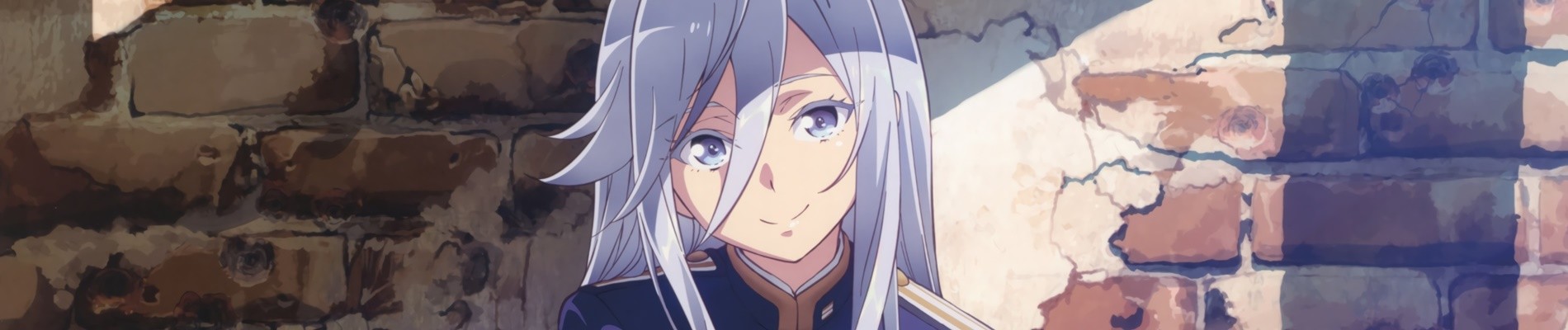
Recent enough to be widely available and modern enough in production values to feel accessible, 86 follows a military officer who makes contact with the human pilots officially classified as "unmanned weapons" by a racist state. The resulting story about complicity, survival, and what we owe each other across dehumanising systems is among the most morally serious anime of the last five years.
9. Macross: Do You Remember Love?
For the historical foundation — the film that crystallised the core Macross formula of space opera + idol music + mecha combat into its definitive form. Visually stunning even decades later, and an essential viewing for understanding where a significant strand of mecha history comes from.
10. RahXephon
The series most directly comparable to Evangelion in its psychological ambitions, RahXephon is a time-loop mystery wrapped in giant robot mythology. Less culturally impactful than Eva but arguably more emotionally coherent in its resolution, it is the best choice for viewers who want the contemplative mecha experience without Evangelion's deliberate opacity.
Where to Go After These
Once you've explored this list, the wider Gundam franchise opens up naturally: Universal Century Gundam (Zeta and ZZ for continuity; the films for efficiency), Turn A Gundam for Tomino's most artistically ambitious work, and The Witch from Mercury for the most recent entry.
The giant robots are just the beginning. What's inside them is the whole point.