
Pick up any anime discussion forum thread from the last three years and you will find the same complaint repeated with religious frequency: there are too many isekai. The genre has become the favourite punching bag of the anime-critical community, shorthand for everything supposedly lazy and derivative about modern anime production.
The critics are not entirely wrong. There is a genuine glut of low-effort isekai light novel adaptations — stories where a forgettable protagonist is transported to a fantasy world, immediately discovers they are uniquely powerful, and proceeds to collect companions and solve problems with minimal stakes or consequence.
But here is where the discourse goes wrong: critics conflate the mediocre majority with the genre itself. And in doing so, they miss what isekai is actually doing — and why it resonates with such a massive, genuinely passionate audience.
The Fantasy of Starting Over
At its core, isekai taps into something universally human: the desire to escape the accumulated weight of who you are and begin again, somewhere entirely new.
This is not a modern invention. The appeal of being transported to another world is as old as Alice in Wonderland, The Wizard of Oz, and Narnia. What anime has done is industrialise the formula for a contemporary audience — specifically, an audience of young people navigating uncertain economies, brutal educational systems, and social pressures that previous generations did not face in the same form.
When a protagonist dies in a dead-end job and wakes up as a baby with magic powers and perfect knowledge of their past life, that fantasy is speaking to something real. The genre's popularity is a mirror held up to the anxieties of its audience.
The Best Isekai Are Genuinely Excellent
Critics who dismiss isekai wholesale have apparently not been paying attention to what the best examples of the genre are doing.
Frieren: Beyond Journey's End is technically an isekai-adjacent story — a party returns from the Demon King's defeat — and it is among the most thoughtful, beautifully made anime in a decade. Its exploration of immortality, grief, and what it means to truly know someone operates on a literary level that most prestige live-action drama cannot match.
Mushoku Tensei: Jobless Reincarnation is a genuinely ambitious piece of fantasy worldbuilding that grapples seriously with a deeply flawed protagonist. It does not excuse Rudeus — it interrogates him.
Isekai Ojisan turns the genre inside out with sharp, loving satire that only works because it understands isekai conventions at a granular level.
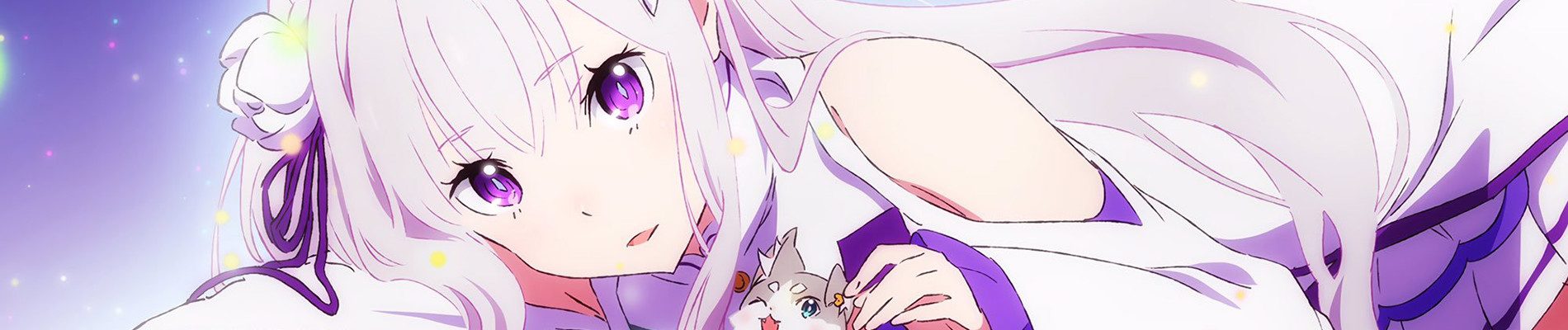
Re:Zero uses the isekai framework to execute a genuinely harrowing psychological thriller. The transportation to another world is not a power fantasy — it is a source of unending trauma for its protagonist.
These are not guilty pleasures. They are great anime by any reasonable standard.
The Real Problem Is Production Volume, Not the Genre
Japan's light novel and anime industries have identified isekai as reliable commercial product, and so they produce it in enormous volume. The result is that for every Mushoku Tensei, there are fifteen titles that feel interchangeable — same template, different character names.
But this is an industry and economics problem, not an indictment of the genre's creative potential. Romance as a genre produces far more forgettable content than masterpieces. Action does the same. Horror is littered with disposable entries. We do not declare romance or action artistically bankrupt because most examples are mediocre.
The argument should be directed at the production pipeline that incentivises quantity over quality — not at the imaginative space that the best isekai inhabit.
What the Genre's Critics Are Really Saying
There is, occasionally, a subtext to isekai criticism that deserves naming: a class-based aesthetic prejudice. Isekai is popular among audiences who are not native to anime criticism circles — younger viewers, casual fans, people who discovered anime through social media rather than film festivals and niche DVD releases.
When veteran fans dismiss isekai as beneath serious consideration, they are often implicitly dismissing the tastes of this newer, broader audience. The gatekeeping dresses itself as aesthetic discernment.
The counterargument is simple: One Piece is a power fantasy. Naruto is a chosen-one story. Dragon Ball invented the genre conventions that isekai now appropriates. The most beloved classics of anime are not exempt from the same broad critiques levelled at isekai.
Why 2025 is a Good Time for the Genre
This year has actually seen several isekai entries that demonstrate the genre is capable of genuine evolution. Studios are being more selective about which light novels they adapt, and the results show. The adaptation quality has risen noticeably — there are fewer episodes that feel like PowerPoint presentations of source material and more that feel like genuine creative reimaginings.
The audience has also matured. Viewer discourse about isekai is more nuanced than it was five years ago. People discuss narrative craft, character motivation, and thematic depth in conversations about these shows that would have previously been reserved for prestige titles.
Isekai isn't going anywhere. But it is growing up. And honestly? That's a story worth watching.